Proteines in food
Proteins are an important part of our diet. Not only do they build muscle, they are also important for the formation of hormones and enzymes, hemoglobin, immunoglobulins and bones.
We get them through food, especially meat, eggs, dairy products, mushrooms, algae and legumes. Unfortunately, proteins of animal origin are difficult to digest, and they also acidify the body, and dairy products deserve it. Digestive organs need at least three hours to break them down into their basic components – amino acids. In addition, nitrogen is released during metabolism, which burdens the liver and kidneys, and the yield of protein from meat is extremely low. Net protein utilization (NNU – NetNitrogen Utilization) depends on the ratio of eight essential amino acids that our body cannot produce. It is highest in chicken eggs (48%) and meat (32%) (INRC 2003). But for several reasons, even science these days recommends moderation in meat consumption. As long as a person is young, this is not such a problem, but with age, the capacity of the liver and kidneys naturally decreases. Athletes, pregnant women and nursing mothers have higher needs for protein food, which can overload their secretions.
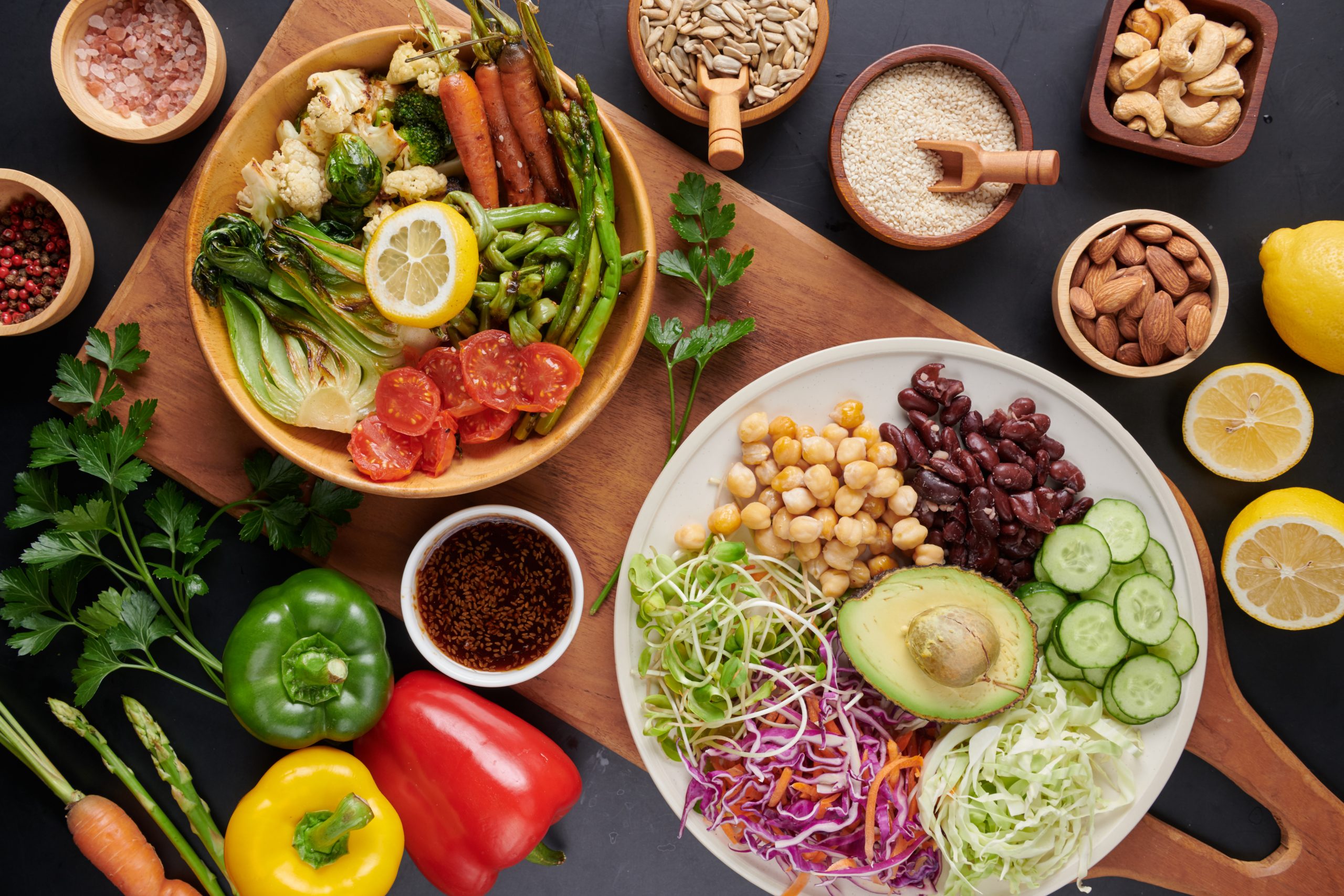
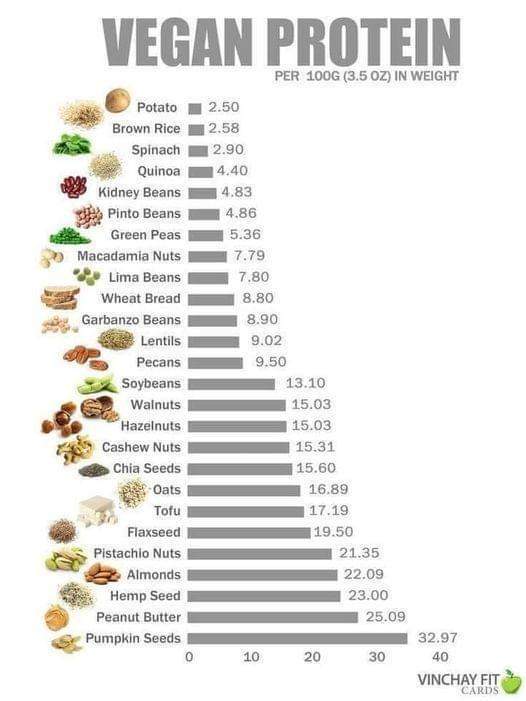
Eating plant-based proteins is much safer, but their yield does not exceed 18%. However, I advise you to include them in your menu as soon as possible. Below is a list of plant-based foods that contain protein.
Many people ask me what kind of protein (powder) I recommend as a protein supplement. I’m looking, but I haven’t found anything smart yet. Finally, I got some vegan and natural ones that contain rice and pea protein, mushrooms and spirulina, sweetened with stevia, but way too sweet for my taste and not good at all.
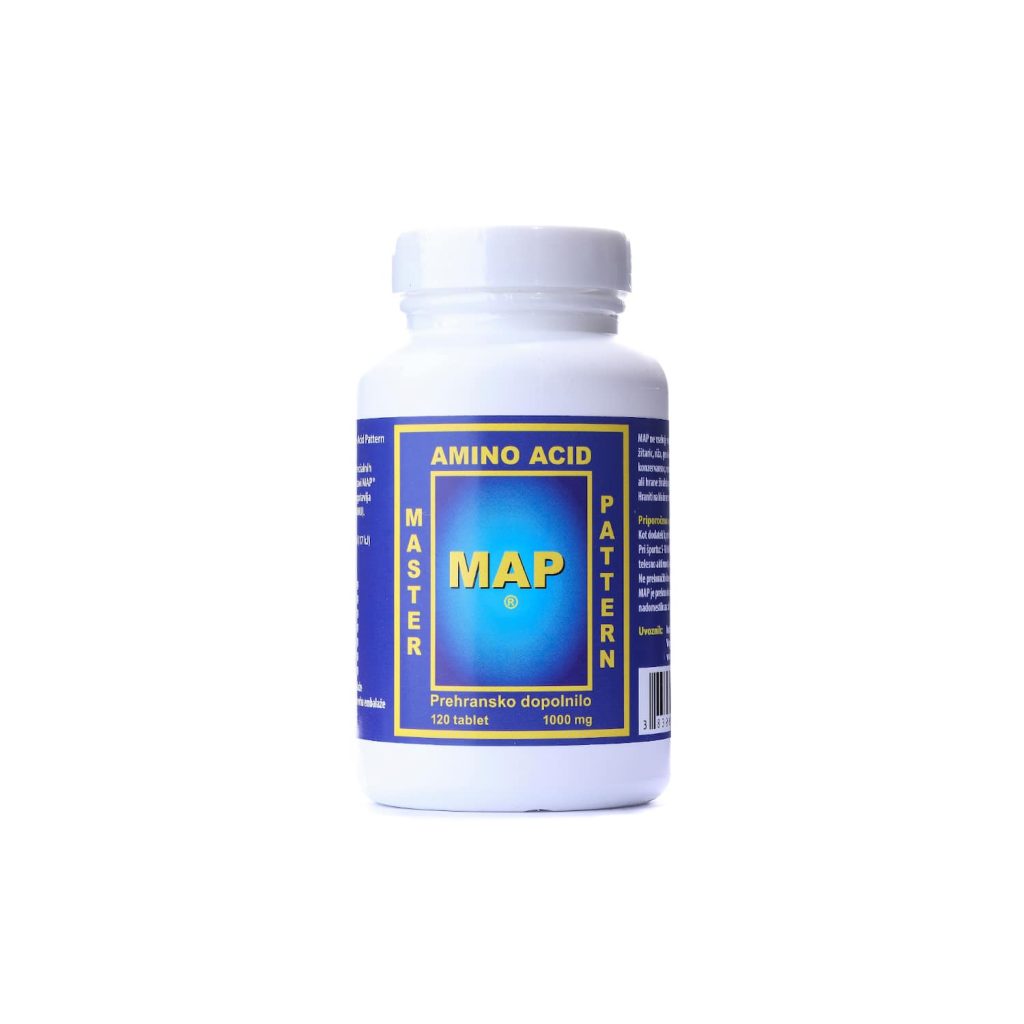
I still swear by MAP proteins the most (pictured below). MAP proteins are produced by obtaining essential amino acids with the help of fermentation (they are therefore not of animal origin) and putting them together in a nutritional supplement, which enables as much as 99% net efficiency. There is almost no metabolic waste (1%). For your child, you can crush the MAP protein into powder and mix it with unheated honey and coconut oil.