
Candida and naturopathic help
Candida (Candida albicans) is a yeast fungus that occurs naturally in the human intestine. We all have Candida albicans in our bodies and to some extent it’s not harmful. However, when it grows, it can cause problems in the intestines or systemically throughout the body, as it settles practically everywhere. While its vaginal form or throughout the skin can be detectable, it is not the most widespread intestinal form. The presence of candida elsewhere in the body is difficult to detect with conventional tests and thus remains a hidden enemy, waiting for a drop in immunity and becoming a dangerous parasite. Also, candida itself releases toxins that further weaken the body’s immune system and can cause a permeable intestine. The main toxin of all is acetaldehyde (alcohol, which under normal conditions is a by-product of metabolism, produced in small quantities and removed from the body with the help of the liver).
As candida grows and a large amount of acetaldehyde is produced, it becomes too much of a burden on the liver, so acetaldehyde remains in the body and accumulates in many tissues. An overgrown candida can also cause a leaky intestine, causing residues to get into the blood and causing problems.
Some people have very typical problems, such as vaginal inflammations, nail fungus, dandruff or dermatitis all over the skin, itchy ears or anus, burning or white-coated tongue, others with problems that they would not even attribute to fungus.
These may include disorders of the hormonal system, craving for sugary foods, fatigue, drowsiness, poor concentration, mood changes, dizziness, headaches, bad breath, coughing, joint pain, arthritis, visual impairment, the appearance of spots in the field of vision, ear pain, burning and irritated eyes, muscle pain, depression, irritability, craving for sweet foods, increased sensitivity to food, bloating (irritable bowels, permeable intestine, mucus in feces, colitis), cold hands and feet, asthma, hay fever, allergies, rashes, eczema, psoriasis, unpleasant body odor, asthma, seasonal allergies, sinuses, panic attacks, depression, low libido… Often, candida is the culprit of problems with recurrent inflammation of the upper respiratory tract, sore throat, ear infections and frequent colds without identifying the causes. Also, treatment with antibiotics and even surgery on the ears, almonds, pharynx does not stop inflammation.
If the fungus is on the nails, it does not mean that they are only there, but that they are overgrown in the body and need to be solved from the inside, not only from the outside.
Under normal conditions (until it is overgrown), candida has the function of eating food that rots in our intestines (undigested food caused by improper digestion, mostly due to lack of stomach acid). It is therefore important that the pH of the stomach is right – in fact very acidic. Drinking celery stalked juice on an empty stomach helps perfectly in this.
Candida can be caused by excessive use of antibiotics, birth control pills or other medications, including stress. Candida prefers a sour and moist and sweet environment. In such an environment, it spreads the most.
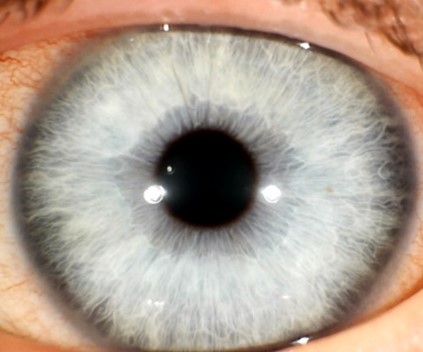
Person 1 from the first photo has an incorrect pH in the stomach (it is not seen as well as alive), there are also too many acids in the body, this very weakens the kidneys, which are not able to drain acids from the body. So because of the acidic environment, candida persists. In this case, it is difficult for a person to eliminate toxins through the skin, and candida is actually the most mirrored on the skin in that person.
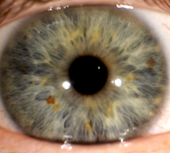
Person 2 from the second photo, in addition to acids, has mucus, moisture in the body, and in such an environment fungi love to multiply. In addition, here the intestines are widespread, which speaks that food in the intestines stagnates, ferments and this nourishes candida. In addition, there is a lack of digestive enzymes. In this person, candida manifests itself as problems with the stomach and on the urogenital part.
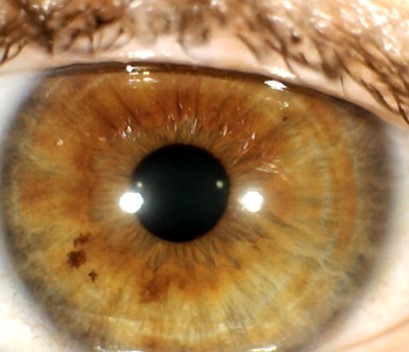
In the third photo, however, in person 3 candida spreads due to too many sweets, even dairy products and cheese or chocolate. Here, too, there is a little more moisture and additional stress. In this person, candida manifests itself more in the psychic area and a tendency to panic attacks.
WHAT HELPS?
Nutrition:
When it comes to a candida diet, you will come across something from a few different opinions. Some will advise against meat, others recommend, for example, white meat, the same for dairy products and fruits… When others speak about diet, nobody tells you that in the morning we have a lot of energy and we could eat more. During the thay this energy falls down, also digestive energy, so in the afternoon we have to eat less and only green if we don t want to feed candida.
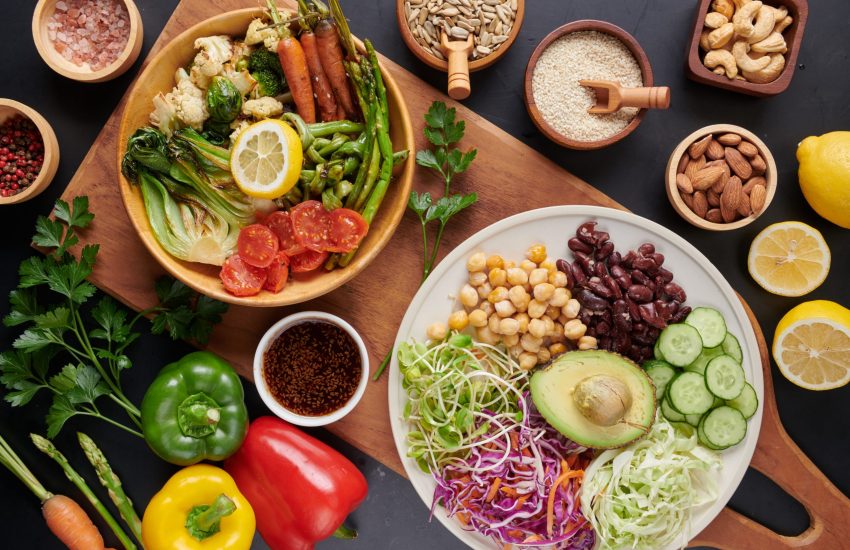
- Eat as much green, basic vegetables as possible, which should prevail at every meal.
- Fruit. Many recommendations with candida is that it can only be sour fruits, such as citrus, forest fruits and sour apple. The fruit is basic and very quickly decomposes already in the stomach, the intestine does not actually even reach, so it is not problematic. However, I advise against fruit after 3 pm and do not eat fruit after meals.
- Reduce carbohydrates (cereals) to a minimum and to the first half of the day, with the need to eat enough so as not to lose weight unnecessarily. Do not mix in one serving of grain or legumes and meat together. Cereals (gluten-free only!) should be limited to a minimum in the meal and in the first half of the day. If possible, eat vegetables first. Do not enjoy cereal and meat/fish together.
- eat only white meat (if already) or fish
- use coconut fat (a little). Coconut fat does cool, but it contains lauric and caprylic acid, which helps fight candida (PDF) Mechanism of Antifungal Activity of Virgin Coconut Oil on Cell Membrane of Candida Albicans (researchgate.net)
DO NOT consume: sugar, processed fatty foods, yeast (not even in the morning), vinegar, pork and beef, eggs, gluten, dairy products (especially care for cheeses with mold), dried fruits, Care should be taken with nuts due to mold (best only almonds and even these soaked in water with lemon)
JA: fruits (until 15h), a lot of mostly green vegetables, cereals that do not contain gluten (except corn, other yes: millet, oatmeal without gluten, buckwheat porridge, quinoa, whole legged/black/red rice), from meat only white meat or fish, of sweeteners only a little honey in the morning (Honey has an antifungal effect against Candida species | Medical Mycology | Oxford Academic (oup.com), coconut fat, garlic, oregano, cinnamon, ginger, turmeric Curcumin as a promising antifungal of clinical interest | Journal of Antimicrobial Chemotherapy | Oxford Academic (oup.com), cayenne pepper, garlic, stalked celery juice.
Of course, it makes sense to look at the individual, as well as the time of year.
Anticandid paste: 1 teaspoon coconut oil, 1 teaspoon of honey, a pair of lemon drops, cinnamon, ginger, turmeric and cayenne pepper powder. Mix and slowly put in the morning. In addition, it also strengthens the immune system, which is often weak in hairy candida.
Nutritional supplements:
- probiotics: good bacteria – it makes sense to first clean the intestines with Saccharomycess Boulardii, which helps kill candida, and then (in addition to proper nutrition) populate the intestines with the right bacteria – first the small intestine and then the large intestine.
- grapefruit seed extract (I advise against those taking any other medications, as it could reduce their action) The effectiveness of processed grapefruit-seed extract as an antibacterial agent: II. Mechanism of action and in vitro toxicity – PubMed (nih.gov)
- spirulina (In vitro activity of Spirulina platensis water extract against different Candida species isolated from vulvo-vaginal candidiasis cases – PMC (nih.gov)
- D vitamin (should also contain K vitamin) Antifungal activity of vitamin D3 against Candida albicans in vitro and in vivo – ScienceDirect
- aloe vera
- Schussler salts: Kalium Chloratum, Natrium Chloratum, Natrium Phosphoricum, Ferrum Phosphoricum
- Oligoelement, iodine (if you also have thyroid problems) and silver
If the fungus on the nails helps to drip a drop of tea tree essential oil into 1 tablespoon of coconut oil, mix well and apply to the nails. Best overnight to put on light cotton socks.
If you suffer from vaginal inflammations, in addition to the good bacteria, washing with tea tree and lavender essential oil also helps. One drop in a larger amount of water and rinse. Then grease with coconut oil and leave overnight.
If the problem is in the mouth, whisk the coconut oil, preferably fasting, for at least 10 minutes and then spit out without swallowing.
When others speak about diet, nobody tells you that in the morning we have a lot of energy and we could eat more. During the thay this energy falls down, also digestive energy, so in the afternoon we have to eat less and only green if we don t want to feed candida.
If you want online naturopathic consultant with weekly meal plan, you can contact me.